
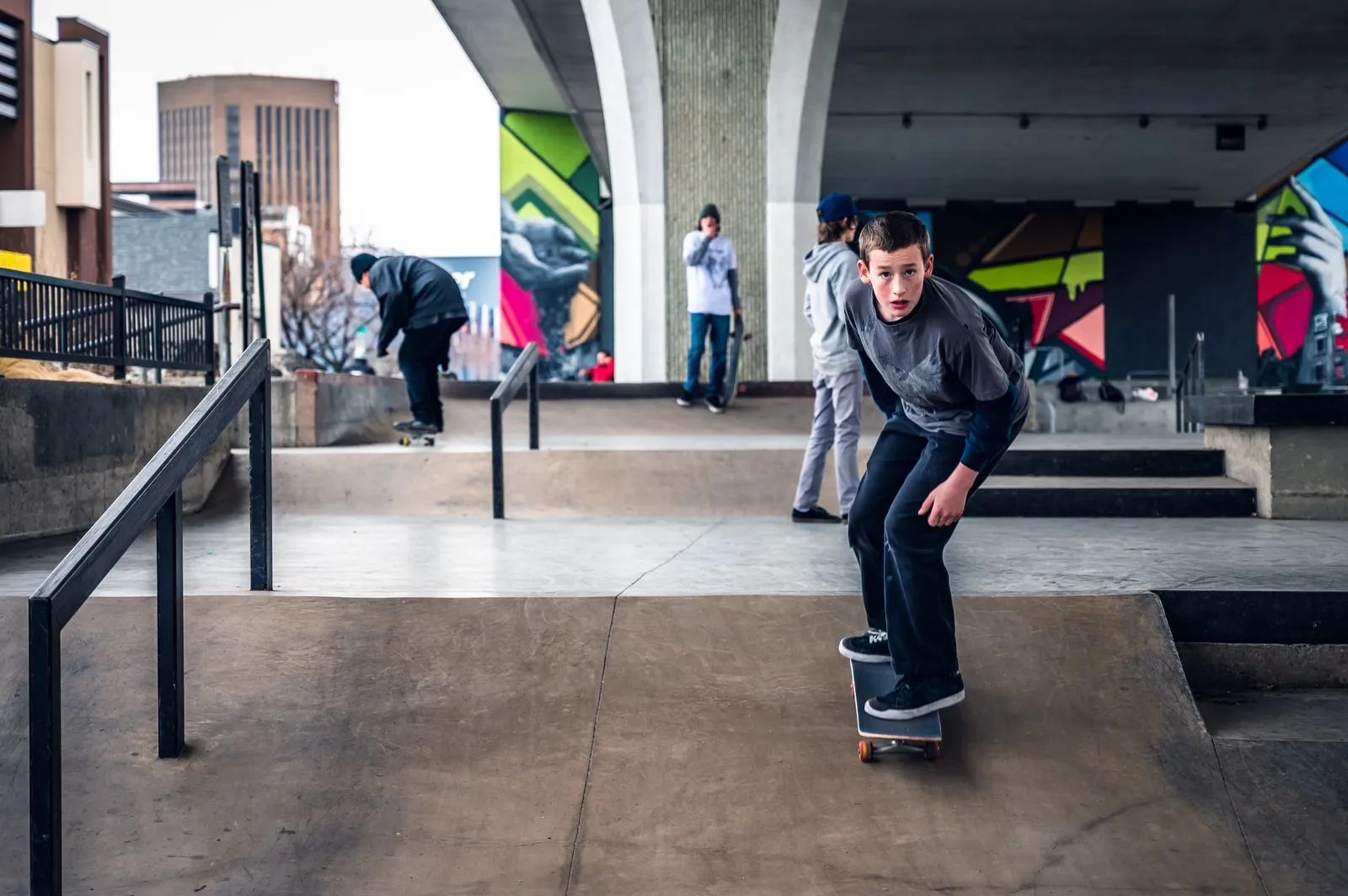
Adaptive skateboarding makes room for different bodies, movement styles, and support needs. A good first session is less about mastering a trick and more about finding a setup, surface, and pace that feel manageable. Before you head to a skatepark, think through what support would help, check your equipment, and contact people who know the local scene. A little preparation can make it easier to focus on learning and enjoying the experience.
Plan Your First Session
Start by deciding what you want to try: standing on a stationary board, rolling a short distance, practicing a push, or simply getting comfortable at a skatepark. Choose one or two small goals rather than planning a full session of skills. If possible, visit the location beforehand to check the surface, slopes, entrances, seating, and quieter areas where you can take a break.
Think about timing and support. A less crowded period may make it easier to move at your own pace, though park schedules vary. Bring water, any personal mobility or communication aids you use, and a support person if that makes the session more comfortable. Tell someone with you what kind of help you want—and what you prefer to handle independently.
Choose Gear for Your Needs
A helmet designed for skateboarding should fit snugly, sit level, and stay in place when you move your head. Check the manufacturer’s fit guidance and replace a helmet after a significant impact. Wrist guards, knee pads, and elbow pads can add protection, but the best combination depends on your movement, balance, and comfort. Make sure protective gear does not restrict a mobility aid or interfere with a transfer.
Board choice is personal. Deck width, wheel size and hardness, grip, and truck setup can affect stability and how the board responds. If you use a seated or supported position, have limited reach, or need help controlling the board, ask an experienced adaptive skater or qualified shop staff to help assess the setup. Try changes in a controlled area, one at a time, and avoid assuming that a particular board works for everyone.
Find the Right Place to Practice
Look for a smooth, open area with enough room to stop and turn without crossing other people’s paths. A flat section of a skatepark, an accessible paved space, or another permitted practice area may work, depending on your needs. Check local rules before using a site, and avoid steep ramps or crowded obstacles until you understand how your board moves and how you can stop safely.
Build in breaks and adjust the session as you go. Fatigue, pain, temperature, and noise can change how comfortable a space feels. You do not need to keep practicing once your focus or control starts to drop. A short session that ends on your terms is a useful start; note what felt stable, what caused difficulty, and what you want to change next time.
Connect With Local Skaters
Reach out to local skate shops, skateparks, disability recreation programs, and community groups to ask about adaptive sessions or experienced instructors. Describe the support or access features you need and ask specific questions: Is the surface suitable? Can a companion join? Are there quieter times? Does anyone have experience with your preferred way of riding? Confirm details directly because programs and facilities can change.
A welcoming skate community can offer practical advice, but you remain in charge of your boundaries and goals. Ask before accepting hands-on assistance, and agree on how someone should help if you lose balance or need to stop. Open Line Skate in Philadelphia can be contacted at [email protected] or (215) 555-0146 for help exploring gear and local options.
Begin with a clear, manageable goal, protective gear that fits, and a practice space that supports your comfort and control. Ask local skaters for guidance, then adapt their suggestions to your own needs. Each session can teach you something useful. Connect with a local adaptive skateboarding resource to plan your next step.